

INGA314 analysis and Chat 4.5 literature review
Executive Summary
Stiff Person Syndrome (SPS) is a rare autoimmune neurological disorder characterized by progressive muscle stiffness, painful spasms, and heightened startle response. Our analysis reveals SPS is not a single disorder but a spectrum of related conditions with distinct immunological profiles, variable clinical trajectories, and differing optimal treatments. Current classifications obscure critical differences between subtypes, causing inconsistencies in research outcomes and unpredictable treatment responses. We propose a refined disease classification, targeted research priorities, and personalized treatment frameworks to improve patient outcomes.
Disease Overview
Clinical Presentation
- Progressive muscle stiffness (axial predominance)
- Painful spasms triggered by stress or stimuli
- Heightened startle reflex
- Anxiety and anticipatory fear
- Postural abnormalities and mobility limitations
Epidemiology
- Prevalence: ~1-2 per million, predominantly women (2:1)
- Typical onset: 30-60 years
- Associated with autoimmune diseases (e.g., type 1 diabetes)
Pathophysiology
- Autoimmune-mediated disruption of inhibitory neurotransmission
- Anti-GAD65 antibodies in 60-80% of patients
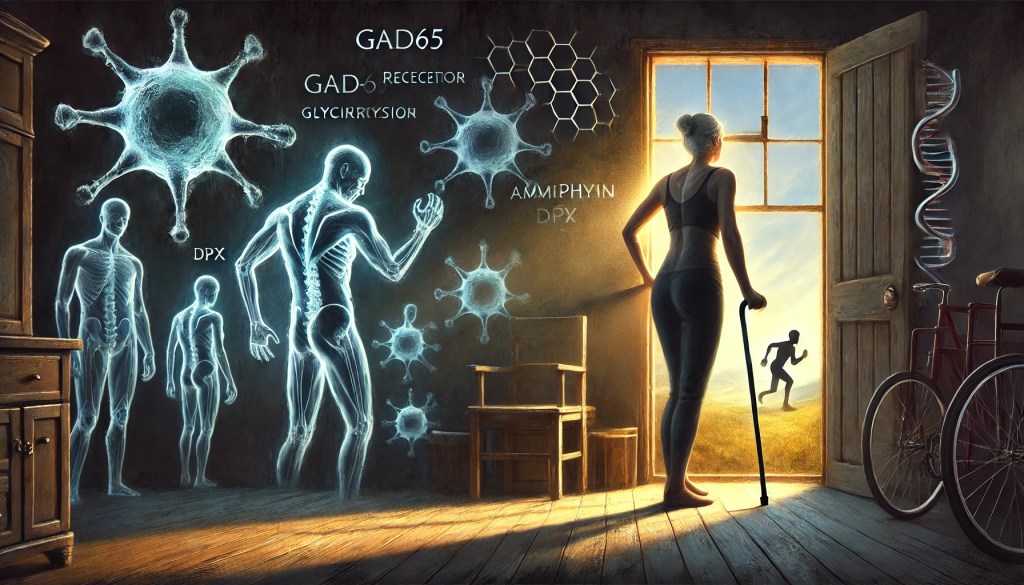
- Additional antibodies: Glycine receptor, Amphiphysin, DPPX
Diagnostic Criteria
- Clinical: Muscle stiffness, painful spasms
- Electromyography: Continuous motor unit activity
- Serological: Presence of specific autoantibodies
Current Treatment Approaches
Symptomatic Treatment
- Benzodiazepines (Diazepam)
- Baclofen (oral/intrathecal)
- Anticonvulsants (Gabapentin, Pregabalin)
Immunomodulatory Treatment
- Intravenous Immunoglobulin (IVIG)
- Plasmapheresis
- Rituximab (variable efficacy)
- Autologous Hematopoietic Stem Cell Transplantation (HSCT; emerging)
Treatment Response Patterns
- 60-70% benefit from GABA-enhancing medications
- IVIG effective in 60-70%
- Significant variability in individual treatment responses
Critical Analysis of Research Inconsistencies
Classification Inconsistencies
- Antibody profiles differ substantially across clinical subtypes
- Suggestive of multiple distinct disorders rather than variants
Biomarker Paradoxes
- Neurofilament light chain (NfL) paradoxes: Inconsistent relationship with clinical severity
- Poor correlation between antibody titers and clinical symptoms
Treatment Mechanism Inconsistencies
- Rituximab responses inconsistent across SPS patients
- HSCT dramatic successes contrast moderate IVIG outcomes
Methodological Limitations
- Small sample sizes, limited controlled trials
- Variable definitions of outcomes
- Lack of matched controls
Gaps in Mechanistic Understanding
Incomplete Causal Chain Analysis
- Unclear how antibodies affect neuronal function
- Uncertainty around antibody pathogenicity
Temporal Dimension of Disease
- Poor characterization of disease progression and treatment windows
- Unclear biomarker dynamics over time
Quantified Disease Heterogeneity
SPS Spectrum Subtype Distribution
- Classic SPS (Anti-GAD65): 60-80% of cases
- 35% have concurrent type 1 diabetes
- 25% have other autoimmune conditions
- 65% show good response to GABA-enhancers
- Stiff Limb Syndrome: 10-15% of cases
- 40% eventually progress to generalized SPS
- Often require higher doses of GABA-enhancers
- PERM (Anti-Glycine Receptor): 5-10% of cases
- 80% present with brainstem involvement
- 60% require aggressive immunosuppression
- 25% higher mortality risk without prompt treatment
- Paraneoplastic SPS (Anti-Amphiphysin): 5% of cases
- 70% associated with breast or lung cancer
- Requires parallel oncological management
- Seronegative SPS: 10-15% of cases
- Most diagnostically challenging subtype
- Treatment response unpredictable
Genetic Associations
- HLA-DQB1*0201 (HLA-DQ2 serotype): Present in 70% of classic SPS
- HLA-DRB1*0301: Associated with increased disease severity
- Familial autoimmunity observed in 35% of cases
- Genetic testing recommended for all SPS patients to improve classification accuracy
Longitudinal Biomarker Dynamics
- Anti-GAD65 antibody titers:
- Stable in 65% of patients despite treatment
- Decrease with successful IVIG in only 30% of responders
- Poor correlation with clinical improvement
- Neurofilament light chain (NfL):
- Elevated in early disease (first 2 years): 2-3× normal
- Decreases in longstanding disease despite clinical progression
- Potential early treatment response marker
Integrated Research Model
Restructured Disease Classification
- Primary classification by antibody profile
- Anti-GAD65 positive
- Anti-Glycine receptor positive
- Anti-Amphiphysin positive
- Anti-DPPX positive
- Seronegative
- Secondary classification by disease stage
- Early (0-2 years): Most responsive to immunotherapy
- Established (2-5 years): Moderate treatment response
- Advanced (>5 years): Limited immunotherapy benefit
- Tertiary classification by HLA type
- HLA-DQB1*0201 positive/negative
- HLA-DRB1*0301 positive/negative
Mechanistic Pathway Mapping
- Detailed immune and neurophysiological investigations
- Systematic clinical-immunological correlations
Standardized Research Protocols
- Standardized outcome measures
- Matched control populations
- Minimum reporting standards for research
Personalized Treatment Framework
Treatment Algorithm
- Initial Assessment
- Comprehensive antibody panel (GAD65, Glycine receptor, Amphiphysin, DPPX)
- HLA typing
- NfL measurement
- Disease duration assessment
- First-line Therapy Selection by Subtype
- Anti-GAD65 positive: GABA-enhancers + IVIG
- Anti-Glycine receptor positive: Early aggressive immunosuppression
- Anti-Amphiphysin positive: Cancer screening + plasma exchange
- Anti-DPPX positive: Combined IVIG and Rituximab
- Seronegative: Symptomatic treatment + empirical IVIG trial
- Treatment Adaptation Timeline
- Evaluate response at 3 months
- For non-responders:
- Anti-GAD65: Add Rituximab
- Others: Consider HSCT evaluation
- Regular Monitoring
- Clinical: SPS-specific rating scale (quarterly)
- Laboratory: NfL (semi-annually)
- Functional: Quality of life assessment (quarterly)
- Comorbidity Management
- Diabetes: Coordinate with endocrinology
- Thyroid disease: Regular monitoring
- Anxiety: Psychological support + targeted medication
Implementation Strategy
- Transition Plan
- Educational resources for clinicians
- Phased implementation at specialty centers
- Partnership with patient advocacy organizations
- Addressing Resistance Points
- Develop economic models for payors
- Create simplified algorithms for non-specialists
- Establish referral pathways to specialty centers
- Quality Metrics
- Patient-reported outcome improvements
- Hospitalization reduction
- Treatment discontinuation rates
Future Research Priorities
Near-Term (1-3 years)
- Comprehensive immunological profiling
- Biomarker validation
- Standardized SPS-specific clinical assessment
- Patient-reported outcome measure development
Medium-Term (3-5 years)
- Pathophysiological studies using animal models
- Comparative clinical trials of immunotherapies
- Early intervention studies
- Evaluation of preventative strategies in high-risk populations
Long-Term (5-10 years)
- Disease-modifying and potentially curative interventions
- Precision medicine approaches
- Preventative strategies for at-risk populations
International Research Consortium
Proposed Structure
- Core Steering Committee
- 12 members (neurologists, immunologists, rheumatologists)
- Geographic representation across continents
- Patient representative inclusion
- Working Groups
- Biomarker standardization
- Clinical outcome measures
- Treatment protocols
- Genetic profiling
- Patient-reported outcomes
- Data Coordination Center
- Centralized database
- Statistical support
- Quality control
- Funding Strategy
- Public-private partnership model
- Patient advocacy foundation involvement
- Pharmaceutical industry collaboration
Conclusions and Recommendations
SPS should be reconceptualized as a spectrum of distinct autoimmune neurological disorders. Improved classification, standardized methodologies, and a deeper mechanistic understanding are critical for personalized and effective therapeutic strategies. International, multidisciplinary collaboration is essential to overcome research limitations and significantly advance patient outcomes.
The proposed framework addresses current inconsistencies in research and clinical practice by embracing heterogeneity, incorporating genetic factors, establishing biomarker dynamics, and creating clear treatment algorithms. Implementation of this approach will require coordinated effort but promises significant improvements in both research quality and patient care.
Stiff Person Syndrome (SPS): Causes, Treatments, and Recent Research
Causes of Stiff Person Syndrome
Stiff person syndrome (SPS) is believed to be primarily an autoimmune-mediated neurological disorder. The immune system mistakenly attacks the central nervous system, specifically impairing the normal inhibitory neurotransmission that controls muscle activity
neurology.org. A hallmark finding is the presence of autoantibodies that target proteins involved in the gamma-aminobutyric acid (GABA) pathway – GABA being the main inhibitory neurotransmitter that normally prevents excessive muscle contraction. This immune attack leads to a loss of GABA’s restraining effect on muscle neurons, causing continuous muscle firing, stiffness, and spasms
my.clevelandclinic.org. Key factors contributing to SPS include:
- Autoimmune Antibodies: Approximately 60–80% of SPS patients have high-titer antibodies against glutamic acid decarboxylase (GAD), the enzyme that produces GABAneurology.orgmy.clevelandclinic.org. These anti-GAD₆₅ antibodies are thought to reduce GABA levels and are a defining biomarker of SPS. Other identified autoantibodies in SPS include those against the glycine receptor (often in a severe variant of SPS), amphiphysin (commonly in paraneoplastic cases), and DPPX (dipeptidyl-peptidase-like protein-6)my.clevelandclinic.org. The presence of these antibodies strongly suggests an autoimmune cause, although some SPS patients have no known antibodies, indicating that additional autoantigens (still under investigation) may be involvedmy.clevelandclinic.org. Notably, having GAD antibodies alone is not sufficient to cause SPS – a small portion of healthy people have low-titer anti-GAD without symptomsmy.clevelandclinic.org– so researchers believe T-cell mediated damage and other immune factors also contribute to the disease process.
- Genetic Predisposition: There is evidence that certain genetic profiles (especially in immune system genes) increase the risk of SPS. In particular, most patients with SPS carry specific HLA class II alleles associated with autoimmunity. For example, a majority of SPS patients have the HLA-DQB1*0201 allele (the HLA-DQ2 serotype), which is the same genetic risk factor seen in type 1 diabetesdiabetesjournals.org. This shared immunogenetic background suggests a hereditary predisposition to autoimmune reactions. Indeed, SPS often occurs in people who have personal or family histories of other autoimmune diseases. Women are affected about twice as often as menmy.clevelandclinic.org, also hinting at genetic or hormonal influences.
- Associated Autoimmune Conditions: SPS frequently coexists with other autoimmune disorders, indicating a systemic autoimmune tendency. Common associations include: type 1 diabetes, autoimmune thyroiditis (e.g. Hashimoto’s thyroid disease), vitiligo, pernicious anemia, and celiac diseasemy.clevelandclinic.org. For example, up to 30–40% of SPS patients also have type 1 diabetes, and both conditions often share the anti-GAD antibody. The co-occurrence of these diseases reinforces that SPS stems from a broad dysregulation of the immune system.
- Paraneoplastic Triggers: In a subset of cases, SPS is triggered by an underlying cancer, making it a paraneoplastic syndrome. These patients often have anti-amphiphysin antibodies and typically harbor tumors (most commonly breast or lung cancer) that express neuronal proteinsf1000research.com. The body’s immune response to the tumor cross-reacts with the nervous system. This paraneoplastic form, sometimes called paraneoplastic SPS (PSPS), underscores that external factors (like tumors) can initiate the same autoimmune process seen in idiopathic SPS. Treating the underlying malignancy can be crucial in managing these cases.
In summary, SPS arises from a convergence of autoimmune and neurological factors. The immune system’s targeting of GABAergic pathways in the brain and spinal cord leads to a failure of the normal “brakes” on muscle contraction
neurology.org. Genetic susceptibility (especially involving HLA immune genes) and the presence of other autoimmune diseases set the stage for this misguided immune attack. Once triggered – whether spontaneously or by a cancer – the result is a progressive neurological disorder characterized by debilitating muscle stiffness and spasms.
Treatment Options for SPS
There is no known cure for stiff person syndrome, but a combination of symptomatic treatments and immunotherapies can significantly improve quality of life. The therapeutic approach has two main goals: (1) reduce muscle stiffness/spasms to relieve symptoms, and (2) modulate the immune system to slow or halt disease progression
my.clevelandclinic.org. Treatment plans are highly individualized, often requiring a multidisciplinary team (neurologists, physiotherapists, immunologists, etc.)
my.clevelandclinic.org. Key treatment options include:
- GABA-Enhancing Medications (Symptomatic Treatment): Because SPS symptoms result from loss of GABA-mediated inhibition, drugs that enhance GABA activity are first-line therapy. Benzodiazepines (such as diazepam) are the classic treatment – they potentiate GABA_A receptors and thereby reduce rigidity and anxiety. Diazepam is often started as the initial therapy and can dramatically relieve stiffness and spasmsmy.clevelandclinic.org. Other benzodiazepines (e.g. clonazepam) are also used. Additionally, muscle relaxants like baclofen (a GABA_B receptor agonist) help alleviate spasms and stiffness; baclofen can be given orally and in severe cases via an intrathecal baclofen pump surgically implanted to provide continuous spinal cord inhibitionpmc.ncbi.nlm.nih.gov. Anticonvulsant drugs that decrease neuronal excitability are frequently added as well – for example, gabapentin or pregabalin (which modulate GABA release and dampen nerve firing) can reduce muscle spasms and painmy.clevelandclinic.org. These symptomatic medications often are used in combination to maximize muscle relaxation without causing excessive sedationneurology.org. In crisis situations of extreme spasms, potent IV sedatives (like benzodiazepines or even propofol) may be used short-term to break the spasm cyclepmc.ncbi.nlm.nih.gov.
- Physical and Supportive Therapies: Non-pharmacological interventions are important for maintaining mobility and safety. Physical therapy and occupational therapy help stretch stiff muscles, improve range of motion, and adapt activities of daily livingmy.clevelandclinic.org. Gentle exercise and stretching under supervision can prevent contractures (permanent muscle tightening). Massage therapy, heat therapy (warming stiff muscles), and hydrotherapy (warm water therapy) often provide symptomatic relief and reduce muscle tonemy.clevelandclinic.org. Some patients find acupuncture beneficial, though evidence is anecdotalmy.clevelandclinic.org. It is also crucial to address triggers: patients are advised to minimize sudden noises or stress when possible, and treating co-existing anxiety (through therapy or medication) can help break the vicious cycle where fear of spasms worsens muscle tensionmy.clevelandclinic.orgmy.clevelandclinic.org. Assistive devices (canes, walkers, or wheelchairs) may be needed in advanced cases to prevent fallsmy.clevelandclinic.org. Given the psychological toll of SPS, mental health support (counseling or support groups) is recommended as part of comprehensive caremy.clevelandclinic.org.
- Immunotherapies (Disease-Modifying Treatment): To target the underlying autoimmune cause of SPS, various immunomodulating therapies are used. The most established is Intravenous Immunoglobulin (IVIG) – high-dose IVIG has been shown to significantly reduce stiffness and sensitivity in SPS over a 3-month controlled trial, and it often leads to notable improvement in gait and functionalityneurology.org. IVIG is a preparation of pooled antibodies from healthy donors; in SPS it may work by neutralizing the pathologic autoantibodies or dampening autoimmune B-cell activitymy.clevelandclinic.org. Many SPS patients who do not respond fully to GABAergic drugs are started on monthly IVIG infusions; about two-thirds of patients achieve meaningful long-term improvement with regular IVIG therapyneurology.orgneurology.org. Another therapy used in SPS is plasmapheresis (plasma exchange) – this procedure filters the patient’s blood to remove circulating antibodies. Plasmapheresis can provide short-term relief of symptoms by reducing autoantibody levels, and is particularly considered in severe, rapidly progressive SPS or paraneoplastic casesf1000research.com. Corticosteroids (high-dose prednisone or dexamethasone) are sometimes given to suppress the immune system, though their long-term benefit is unclear and side effects can be significant. For refractory cases, physicians have tried other immunosuppressants: for example, Rituximab, a monoclonal antibody that destroys B-cells, has been used on the premise of eliminating the source of autoantibodies; tacrolimus (a T-cell/calcineurin inhibitor) and cyclophosphamide have also been reported in individual casespmc.ncbi.nlm.nih.gov. While these immunosuppressive drugs are not universally effective, they can lead to improvement in some patients. Notably, if SPS is associated with a cancer (paraneoplastic SPS), treating the underlying tumor(surgery, chemotherapy, etc.) is a critical part of therapy – often the SPS symptoms will stabilize or improve once the malignancy is removed or controlledf1000research.com.
- No Surgical Cure (but Interventions Exist): There is no surgical procedure to “fix” SPS since it is a diffuse neurological condition. However, as mentioned, an intrathecal baclofen pump is a useful surgical intervention for symptom control in severe cases unresponsive to oral medspmc.ncbi.nlm.nih.gov. This pump, implanted under the skin with a catheter into the spinal fluid, delivers continuous baclofen to inhibit spinal motor neurons and can dramatically reduce spasms. The downside is the risk of pump complications and the need for regular refills. In rare, extreme cases of SPS that are life-threatening and unresponsive to all other treatments, some centers have considered autologous stem cell transplantation (essentially “rebooting” the immune system – discussed more below) as an experimental intervention. All patients with SPS are encouraged to take precautions such as home modifications to prevent falls (e.g. installing grab bars) and to have a plan for managing sudden spasms (some carry fast-acting anti-anxiety medication).
Multidisciplinary care is often required, and treatment is long-term. While most people with SPS improve with the therapies above, the condition tends to persist chronically
my.clevelandclinic.org. Early and aggressive treatment can slow the syndrome’s progression and prevent permanent disability
neurology.org. Importantly, each SPS patient may respond differently; thus, finding the right combination of muscle relaxants and immunotherapy is often a trial-and-error process managed by experienced neurologists
my.clevelandclinic.org. With optimized care, many SPS patients can achieve partial remission of symptoms or at least maintain mobility and comfort for years.
Recent Research Developments in SPS
SPS is a rare disorder, but in recent years there has been significant research aimed at understanding its mechanisms and improving treatment. Ongoing and emerging studies are shedding light on causes and testing novel therapies. Below is an overview of the latest developments:
- Advances in Autoimmune Mechanisms & Biomarkers: Researchers continue to explore how exactly the immune system causes SPS. One finding is that patients have long-lived plasma cells and memory B cells that produce anti-GAD65 antibodies even years into the diseasekyvernatx.com. This suggests the autoimmune response is deeply ingrained, which explains why SPS can be so persistent. It also provides a target for new treatments (drugs that can eliminate long-lived B cells). Scientists have also broadened the spectrum of antibody biomarkers beyond GAD. The discovery of antibodies to the glycine receptor, gephyrin, and DPPX in SPS variants has expanded the concept of “stiff person spectrum disorders”my.clevelandclinic.org. For instance, glycine receptor antibodies are often found in cases of Progressive Encephalomyelitis with Rigidity and Myoclonus (PERM), a severe form on the SPS spectrum, and these cases may require more aggressive immunotherapy. The presence of amphiphysin antibodies indicates a paraneoplastic SPS and directs clinicians to search for hidden cancers. Another promising biomarker is neurofilament light chain (NfL), a protein released during neuronal injury. A 2023 study found that SPS patients have elevated NfL levels in their blood, comparable to levels seen in multiple sclerosis, especially early in the diseaseneurology.org. Higher NfL correlated with more severe disability in SPS and tended to decrease in longstanding casesneurology.org. This suggests NfL might serve as an objective marker of ongoing neurodegeneration in SPS, useful for monitoring disease activity or response to treatmentneurology.org. Further validation is underway, but NfL could become a tool to gauge how active the autoimmune damage is in a patient. In addition, evidence of intrathecal (within spinal fluid) antibody production in SPS has been reported, reinforcing that the central nervous system is an immune targetpn.bmj.com. Overall, these research insights are painting a clearer picture of SPS as an autoimmune CNS disorder, which in turn guides smarter therapies.
- Immunotherapy Trials and Emerging Treatments: Given the need for better treatments, several clinical trials and case studies have explored new therapies for SPS:
- Rituximab (B-cell depletion): Since B lymphocytes produce the pathogenic antibodies, depleting B-cells is a logical strategy. Rituximab, an anti-CD20 monoclonal antibody, was tested in the largest randomized trial in SPS to date. Unfortunately, the trial (published in 2017) found no statistically significant benefitof rituximab over placebo on stiffness scores at 6 monthspubmed.ncbi.nlm.nih.gov. Both groups had some placebo-effect improvement, and while a few rituximab-treated patients improved, overall it did not meet the trial endpoints. Despite this setback, clinicians noted that some individuals did seem to benefit (3 of 12 in rituximab group had meaningful improvement vs 1 of 12 in placebo)pubmed.ncbi.nlm.nih.gov, suggesting a subset of SPS patients might respond. Subsequent smaller studies and case reports have indeed documented patients (including a child with SPS) who improved substantially on rituximab therapykyvernatx.com. Some neurologists now use rituximab off-label for severe SPS that fails IVIG, monitoring for improvement over longer periods. The mixed results indicate that B-cell therapy might help certain SPS subtypes or need combination with other treatments. Research is ongoing to identify which patients are most likely to respond to rituximab or similar agentspubmed.ncbi.nlm.nih.gov.
- Long-term IVIG Therapy: Building on the success of short-term IVIG, investigators have looked at the effects of maintenance IVIG for SPS. A recent longitudinal study followed 36 SPS patients on monthly IVIG for a median of ~3 yearsneurology.org. The results were encouraging: about 67% of patients had a sustained clinically meaningful improvement (improved mobility, less stiffness and startle, better balance) during that periodneurology.orgneurology.org. Some patients who were wheelchair-bound became able to walk unassisted after months of IVIG. However, roughly 29% of responders experienced a waning of IVIG’s benefits over time as their disease slowly progressed, and one-third of patients did not respond to IVIG at allneurology.orgneurology.org. Importantly, if a patient showed no improvement in the first 3 months of IVIG, they were unlikely to improve with continued treatmentneurology.org. This study confirmed that IVIG is effective long-term for many SPS patients and can alter the disease course, but it also highlighted the need for additional therapies in those who progress despite IVIGneurology.orgneurology.org. It reinforces current practice of using IVIG as a standard second-line treatment in SPS and provides data on outcomes that can inform patients and doctors.
- Stem Cell Transplantation: A groundbreaking development in recent years has been the use of autologous hematopoietic stem cell transplantation (HSCT) for severe SPS. This intensive procedure aims to “reset” the immune system. In HSCT, doctors collect the patient’s own blood stem cells, then administer high-dose chemotherapy to wipe out the immune system, and reinfuse the stem cells to rebuild a new immune system. In Canada, a team at Ottawa Hospital treated two women with refractory SPS using HSCT – remarkably, both went into long-term remission, regaining normal function and returning to workottawahospital.on.caottawahospital.on.ca. This was the first documented case series showing that SPS can be put into drug-free remission with stem cell transplant. One patient, who had been severely disabled, was even able to run a half-marathon after recoveryottawahospital.on.ca. While these results are exciting (“a bit like a miracle,” as the lead physician describedottawahospital.on.ca), HSCT is an aggressive treatment with significant risks. Only a handful of SPS patients have undergone it, and it’s considered only in life-threatening cases that don’t respond to conventional therapy. Ongoing studies are evaluating HSCT in SPS furtherastctjournal.orgjamanetwork.com. Preliminary reports suggest HSCT can be highly effective in select patients with treatment-refractory SPSastctjournal.org. If confirmed in larger numbers, HSCT might become an option for those rare severe cases, analogous to how it’s used in aggressive multiple sclerosis or other autoimmune diseases.
- Novel Immune Therapies: Beyond conventional drugs, researchers are exploring cutting-edge immune therapies. One approach in early development is CAR T-cell therapy targeted at B-cells. CAR T-cell therapy (Chimeric Antigen Receptor T-cells) involves genetically engineering a patient’s T cells to recognize and kill cells that express a specific target. In SPS, the idea is to target CD19, a protein on B-cells, to eliminate the B-cells driving autoimmunity. A biotech-sponsored trial of a CD19 CAR T-cell (product KYV-101) has been proposed for SPSkyvernatx.com. The hope is that a one-time CAR T treatment could permanently reduce or “reset” the aberrant B-cell population, offering longer remission than rituximab (which requires repeated dosing)kyvernatx.comkyvernatx.com. This approach has shown promise in other autoimmune diseases (e.g. lupus) recently, but in SPS it is still experimental. Another research direction is targeting the intrathecal immune system – since SPS autoimmune activity is thought to occur within the central nervous system, trials may explore delivering therapies (like B-cell depleting agents) into the spinal fluid for better penetrationmdpi.commdpi.com. Additionally, scientists are investigating whether tolerization therapies (teaching the immune system to ignore GAD by injecting small doses of the antigen) could work, though none are yet in clinical trials.
- Better Understanding of SPS Spectrum: Recent studies have also emphasized that SPS is not a single uniform disease, but a spectrum of related disorders (sometimes termed “stiff person spectrum disorders”). Aside from classic SPS (trunk and limb stiffness with anti-GAD), there are variants like stiff limb syndrome (affecting one limb), stiff trunk syndrome, and the severe PERM variant mentioned abovemy.clevelandclinic.org. Researchers have found that patients with different antibodies or clinical features may have different prognoses and treatment responses. For example, those with glycine receptor antibodies (often classified as PERM) tend to have more brainstem involvement (such as autonomic instability and brainstem symptoms) and often require aggressive immunosuppression (steroids, cyclophosphamide, etc.) earlymy.clevelandclinic.org. On the other hand, seronegative SPS (no known antibodies) is a diagnostic challenge; these patients must be diagnosed on clinical grounds, but some may later be found to have novel antibodies as testing advancesneurology.orgneurology.org. The evolving knowledge of these subtypes is helping clinicians tailor treatments – for instance, a paraneoplastic SPS will prompt cancer immunotherapy or resection of the tumor in addition to standard SPS therapy. Collaborative research groups and patient registries are now collecting data to better characterize these subgroups and their outcomes.
 System D