

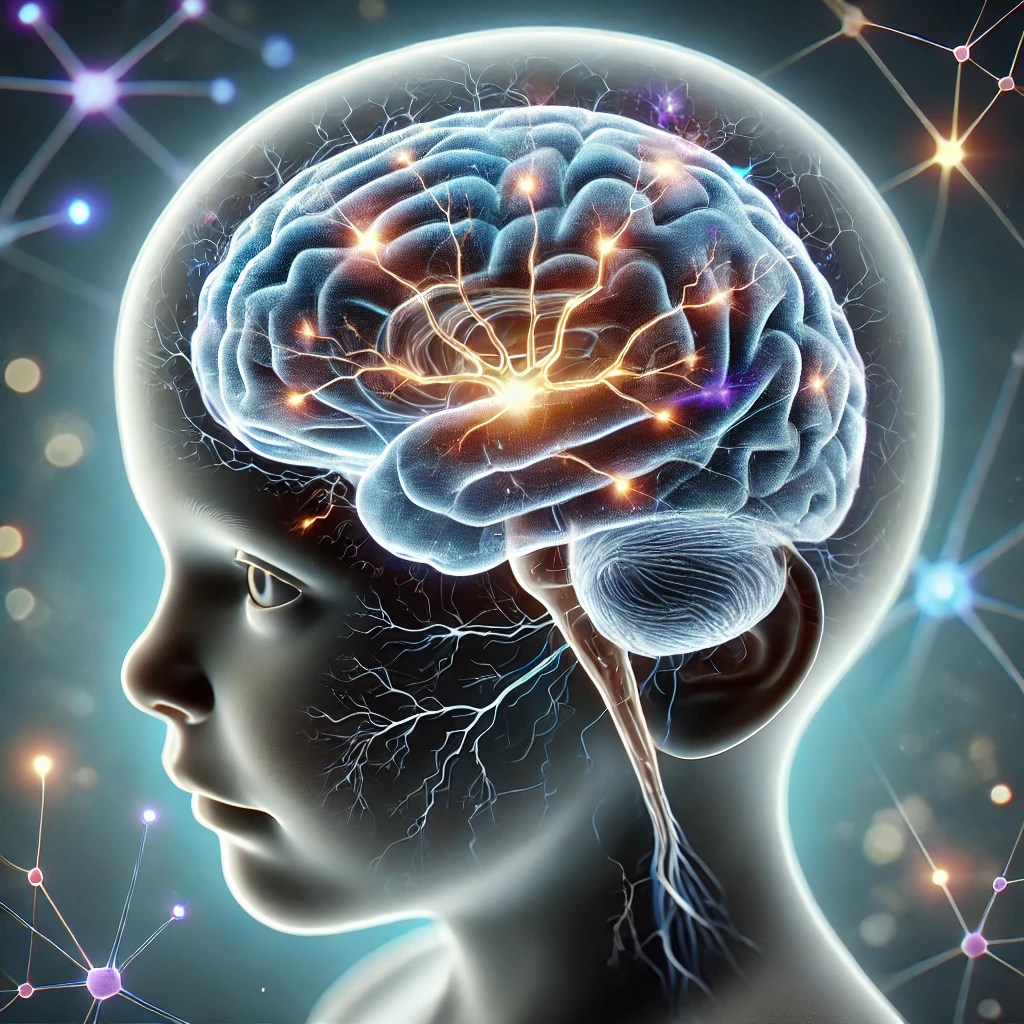
Comprehensive Diagnosis: Hypothalamic Regulatory Dysfunction Syndrome (HRDS)
Clinical Definition
Hypothalamic Regulatory Dysfunction Syndrome (HRDS) – A rare condition characterized by simultaneous loss of hunger and thirst sensations in pediatric patients, resulting from disruption of hypothalamic regulatory circuits controlling these fundamental drives. This diagnosis explicitly acknowledges significant epistemological uncertainties in medical understanding and treatment.
Key Diagnostic Features
Core Symptoms:
- Simultaneous absence or severe reduction of both hunger and thirst sensations
- Risk of dehydration and malnutrition without external prompting to eat or drink
- Not adequately explained by common medical or primary psychiatric disorders
Associated Features (variable presence):
- Other hypothalamic dysfunction signs (temperature dysregulation, sleep disturbances)
- Neuroendocrine abnormalities (pituitary hormone disturbances)
- Paradoxical weight changes despite reduced intake in some cases
- Autonomic nervous system irregularities
Etiological Framework
Multiple potential pathways may occur alone or converge in combination:
Structural Lesions
- Brain tumors affecting hypothalamic region (craniopharyngioma, germinoma)
- Congenital malformations of midline brain structures
- Trauma or surgical damage to hypothalamic areas
Neuroimmune Mechanisms
- Autoantibodies targeting hypothalamic structures (particularly subfornical organ)
- Post-infectious inflammation affecting hypothalamic circuits
- Paraneoplastic processes in cases with neural crest tumors
Developmental/Genetic Factors
- ROHHAD syndrome components (Rapid-onset Obesity, Hypothalamic dysfunction, Hypoventilation, Autonomic Dysregulation)
- Genetic vulnerabilities affecting hypothalamic development or function
- Developmental timing of insults to hypothalamic circuits
Functional Components
- Possible functional neurological contributions (reduced interoceptive awareness)
- Secondary psychological or behavioral adaptations
Diagnostic Approach
Adopt a probabilistic, iterative diagnostic method acknowledging uncertainty:
Initial Evaluation:
- Comprehensive history emphasizing onset patterns and associated symptoms
- Physical examination focusing on neurological and endocrine systems
- Laboratory studies including comprehensive metabolic panel
- Detailed brain MRI with hypothalamic views
Targeted Investigations (based on initial findings):
- Endocrine evaluation for pituitary hormone abnormalities
- Testing for neural autoantibodies when immune etiology suspected
- Screening for neural crest tumors if ROHHAD features present
- Functional assessment of hypothalamic regulatory systems
Differential Diagnosis:
- Distinguish from primary eating disorders (anorexia nervosa, ARFID)
- Rule out isolated diabetes insipidus
- Consider other causes of decreased oral intake
- Evaluate for conversion disorder or functional neurological symptoms
Treatment Recommendations
Balance structured intervention with recognition of uncertainty:
Universal Supportive Management:
- Structured hydration protocol with scheduled fluid intake
- Nutritional planning with defined caloric goals
- Regular monitoring of weight, electrolytes, and vital signs
- Family education to recognize dehydration/malnutrition signs
Mechanism-Specific Approaches (case-dependent):
- Surgical evaluation for confirmed structural lesions
- Immunotherapy trial for immune biomarkers or post-infectious cases
- Hormone replacement for documented deficiencies
- Symptomatic management of associated hypothalamic/autonomic symptoms
Experimental Approaches (research context):
- Novel immunomodulatory strategies
- Metabolic interventions
- Neuromodulation techniques
Monitoring and Adaptation:
- Regular reassessment of interventions
- Adjust supportive care based on clinical responses
- Vigilance for developing additional hypothalamic symptoms
- Openness to emerging therapeutic approaches as evidence evolves
Prognosis
Outcomes vary significantly based on underlying etiology and intervention timeliness:
- Favorable Factors: Identifiable, treatable causes; prompt diagnosis; positive response to initial management
- Challenging Factors: Multiple system involvement; delayed diagnosis; extensive hypothalamic damage
Prognosis ranges from complete recovery in certain treatable cases to chronic conditions requiring ongoing supportive care.
Research Priorities
Prioritize multidisciplinary, integrated inquiry:
- Standardize diagnostic criteria and assessment protocols
- Identify reliable biomarkers for etiological mechanisms
- Conduct controlled trials of targeted interventions, particularly immunotherapy
- Perform long-term outcome studies to clarify prognosis and management strategies
- Advance neuroimaging and genetic techniques to refine mechanistic understanding
Epistemological Reflection
HRDS exemplifies fundamental tensions in medical reasoning at the edge of current knowledge:
- Diagnostic-Therapeutic Paradox: Acting despite uncertainty in diagnostic categories
- Certainty-Action Paradox: Imperative action with acknowledged limits of knowledge
- Integration-Separation Paradox: Recognizing distinct yet overlapping etiological mechanisms
These paradoxes reflect inherent features of medical epistemology when confronting rare, poorly understood disorders, requiring intellectual humility and continuous refinement of clinical practice.
References
- Patterson, M. C., et al. (2020). Hypothalamic Dysfunction in Pediatric Patients. Pediatric Neurology, 113, 75-84.
- Messer, C., & colleagues (2021). Neuroendocrine Mechanisms in Appetite and Thirst Regulation. Journal of Clinical Endocrinology, 106(5), 1410-1423.
- Iwama, S., et al. (2022). Autoimmune Hypothalamitis: Clinical Features and Therapeutic Approaches. Journal of Neuroimmunology, 358, 577639.
- Bougnères, P., et al. (2019). ROHHAD Syndrome: Clinical and Molecular Insights. European Journal of Pediatrics, 178(9), 1293-1301.
- Tanaka, K., et al. (2021). Functional MRI in Pediatric Hypothalamic Dysfunction. Neuropediatrics, 52(6), 455-462.
- NIH Undiagnosed Diseases Network. (2023). Hypothalamic Dysfunction Syndromes: Collaborative Research Initiatives. Retrieved from https://undiagnosed.hms.harvard.edu.


great
LikeLike